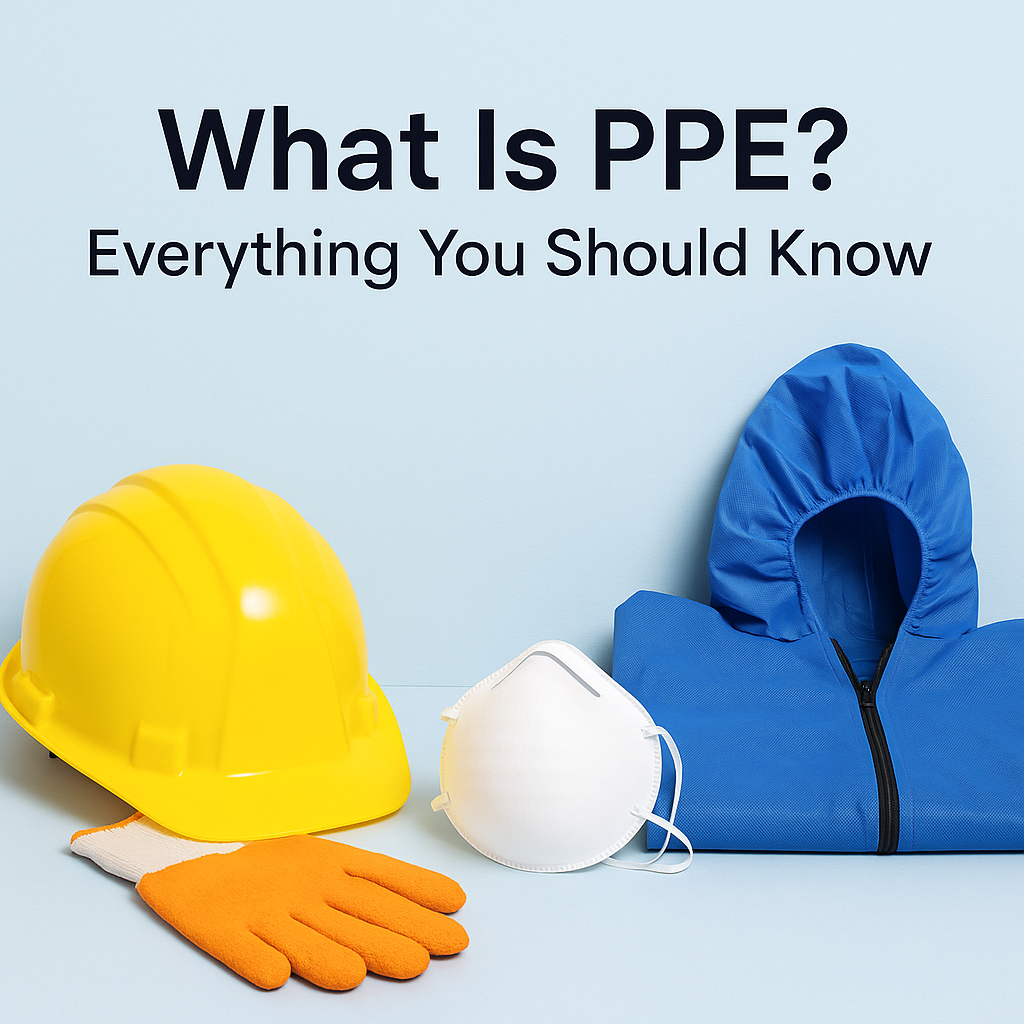
What Is PPE? Everything You Should Know
Personal Protective Equipment, or PPE, plays a major role in keeping people safe at work, especially in industries like construction, healthcare, and manufacturing. But most people only know the surface meaning of PPE.
There’s a lot more behind those gloves, helmets, masks, and suits than just protection, from how they work to the standards they follow.
In this guide, we’ll explain what PPE means, what PPE stands for, and how choosing the right kind can actually save lives, prevent long-term health issues, and improve work efficiency.
Understanding the Real Meaning of PPE
So, what is PPE?
PPE stands for Personal Protective Equipment. It refers to any gear, clothing, or device worn to reduce exposure to hazards that can cause injury or illness. These hazards can be chemical, physical, biological, mechanical, or even radiological.
People usually think PPE only means hard hats or safety boots, but it actually covers a wide range of equipment, from earplugs in noisy factories to respirators in chemical labs. Even face shields, welding goggles, and flame-resistant coveralls fall under the same category.
In simple words, PPE is your last line of defense. When other safety measures (like ventilation systems or machine guards) cannot completely remove the risk, PPE steps in to minimize it.
Why PPE Matters More Than Most People Think
Many workers underestimate how small mistakes with PPE can lead to serious consequences. For example, not wearing gloves while handling certain solvents can allow toxins to enter through the skin. In construction, skipping a helmet even once can result in a severe head injury.
Studies have shown that consistent use of PPE can prevent over 70% of workplace injuries. From preventing burns and cuts to reducing the spread of infections, it plays a huge role in daily safety across industries.
Common Types of PPE and What They Do
There are several main categories of PPE, each serving a specific purpose depending on the environment:
1. Head Protection:
Helmets and hard hats protect against falling objects or impact injuries. Some helmets are designed with electrical insulation for those working near live wires.
2. Eye and Face Protection:
Safety goggles and face shields guard against sparks, splashes, or flying debris. Workers in chemical plants, metal workshops, and laboratories rely on them every day.
3. Hearing Protection:
Earplugs and earmuffs reduce exposure to high noise levels that can cause permanent hearing damage over time.
4. Respiratory Protection:
Face masks, respirators, and air-purifying systems filter harmful dust, smoke, or gases. These are critical for workers exposed to airborne particles or chemicals.
5. Hand and Arm Protection:
Different gloves (rubber, leather, cut-resistant, or heat-resistant) protect hands from mechanical or chemical injuries.
6. Foot and Leg Protection:
Safety boots with reinforced toes or non-slip soles help prevent crushing, slipping, or puncture injuries.
7. Full Body Protection:
Coveralls, aprons, or chemical suits protect against contamination, extreme heat, or sharp objects.
The Right PPE Depends on the Job
Not all PPE is the same. The correct choice depends on your work type and the specific risks involved. For instance:
- A healthcare worker may need surgical masks, gloves, and face shields to prevent infection.
- A welder would require heat-resistant gloves, a flame-retardant apron, and a welding helmet.
- A construction worker might rely on a hard hat, reflective jacket, and steel-toe boots.
Every workplace should conduct a hazard assessment before assigning PPE to its employees. This ensures that the gear provided matches the kind of risks faced.
How to Use PPE Correctly
Using PPE the right way is as important as having it. A small mistake in wearing or maintaining it can make it useless. Here are some essential points many people overlook:
- Fit matters: Loose or tight equipment can reduce protection and comfort. PPE should always fit properly.
- Regular cleaning: Contaminated or dirty PPE can cause new hazards instead of preventing them.
- Storage: Keep PPE in a clean, dry place away from direct sunlight or chemicals.
- Replacement: Damaged or expired PPE should never be reused. Even a small crack in a helmet or tear in gloves can make them ineffective.
PPE Standards and Certifications
Many people don’t know that PPE is regulated by strict safety standards worldwide. For example:
- EN Standards (Europe) set performance and testing requirements for each PPE category.
- ANSI (United States) provides guidelines for protective eyewear, helmets, and more.
- ISO Standards (International) focus on ensuring global safety consistency.
Before buying, always check for certification marks like CE, ANSI, or ISO to confirm that the product meets approved safety levels.
The Role of Employers and Workers in PPE Safety
Employers are responsible for providing proper PPE, training employees to use it, and replacing it when damaged. But workers also play a key role. They must wear their PPE consistently, report any issues, and take care of the equipment.
Both sides share responsibility. A company that invests in good-quality PPE and enforces its use shows care for its employees, which in turn builds trust and reduces workplace accidents.
Final Thoughts
So now that you know what PPE stands for and why it matters, remember this, the right PPE doesn’t just protect you today, it protects your career, health, and peace of mind for years to come. Every worker, from engineers to lab technicians, should treat it as an everyday necessity, not an optional item.
If your workplace or team needs certified, high-quality PPE, explore IMSONS’ collection of protective gear. From head to toe, IMSONS provides everything you need to create a safer, more reliable workspace.
