
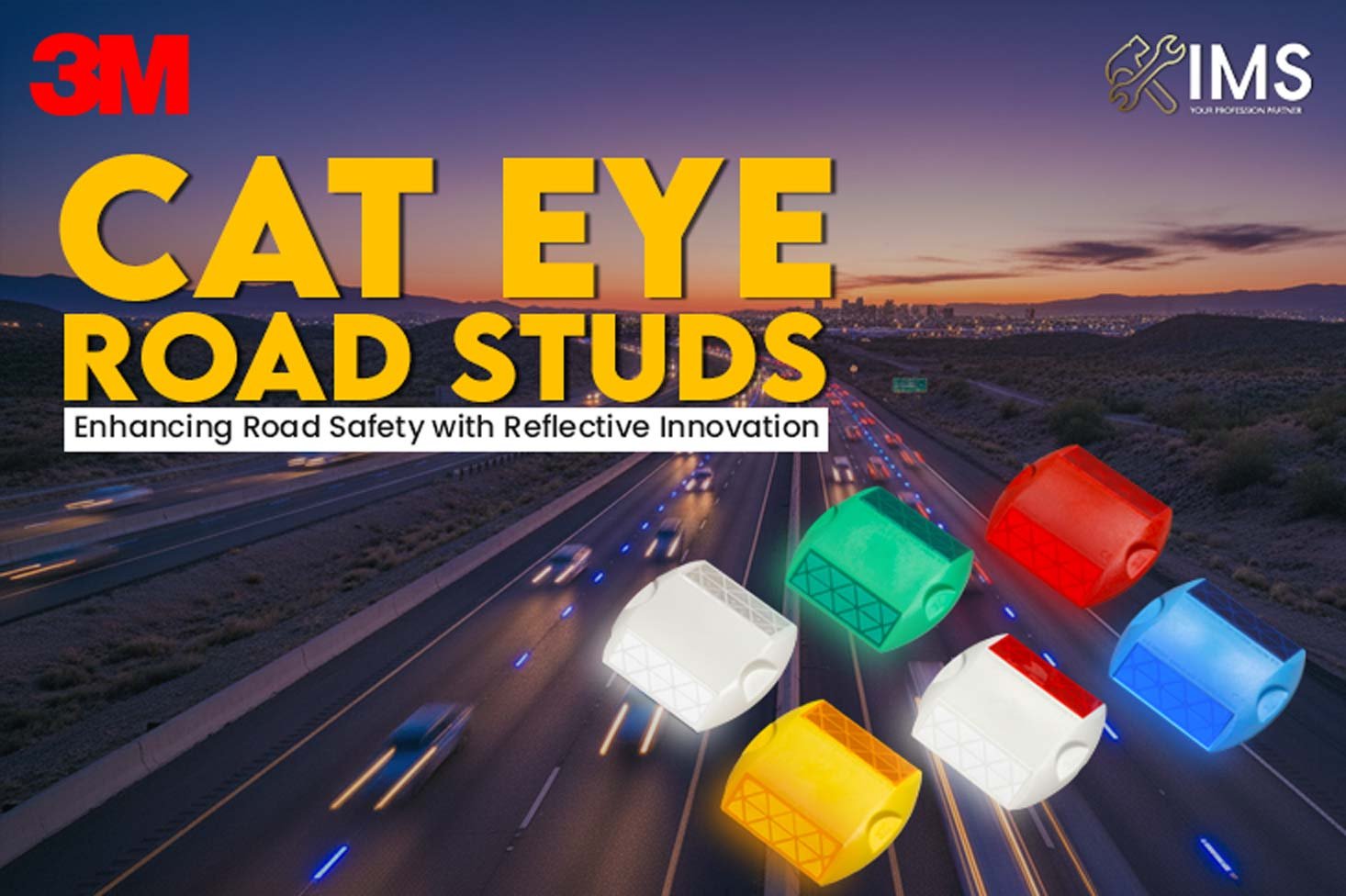
3M Cat Eyes Road Studs: Enhancing Road Safety with Reflective Innovation
When driving at night, you may observe various colored lights such as yellow, red, blue, or white glowing along the road. These lights are known as road studs or cat eyes, which are small reflective markers that enhance visibility in low-light conditions or during inclement weather.
Cat eye road studs are vital for ensuring driver safety, particularly on highways and busy thoroughfares. They aid in guiding vehicles by distinctly marking lanes, even when visibility is compromised.
There are multiple types of cat eye road studs, including reflective and solar-powered models, each designed to enhance road safety. This blog will explore the different types of cat eyes used around the world and their significance in promoting safe driving.
What exactly are road studs?
These small devices are strategically placed on roadways to guide drivers and improve visibility, especially during nighttime or adverse weather conditions. Typically made from materials like aluminum or plastic, road studs can either be reflective or non-reflective.
Originally designed in the UK in 1934, road studs have since become a crucial element of road safety globally. They serve to delineate road edges, indicate hazards, and guide vehicles through construction zones, all contributing to safer driving and helping keep drivers on the correct path.
How do Cat Eye Road Safety Device works?

Cat eye road reflector, commonly known as road studs, is an essential device placed along roadways to enhance guidance and provide warnings to drivers. Available in various materials such as plastic, aluminum, and LED, these devices significantly improve visibility during nighttime or adverse weather conditions. Solar cat eyes, in particular, serve to delineate road edges, indicate directional changes, and alert drivers to potential hazards ahead.
Advantages of Installing Cat Eye Road Reflectors
Cat eye reflectors play a pivotal role in road safety systems. Their primary functions include marking the edges of roads and aiding drivers in low-visibility situations. Various types of raised pavement serve similar purposes, and their benefits include:
- Reflective Properties: Typically constructed from metal or plastic, these reflectors bounce light back to drivers, assisting in night-time navigation or during poor visibility.
- Hazard Marking: Road studs can effectively highlight hazards, such as sharp bends, enhancing driver awareness.
- Lane Specification: These studs are designed to perform well across different lanes, with each lane often specified for particular speed limits.
- Safety Enhancement: They help bring attention to unexpected turns on the road, reducing the likelihood of accidents.
- Cost-Effectiveness and Durability: Road reflectors provide high brightness at a reasonable cost and are built to last.
- Aesthetic Improvement: They also contribute positively to the overall aesthetics of road alignment.
Disadvantages of Installing Cat Eye Reflectors on Roads.
While the benefits of cat eye reflectors are significant, it is also important to consider some potential drawbacks:
- Installation Risks: If road studs are not installed correctly, they may increase the risk of accidents.
- Cost Considerations: Some road studs can be relatively expensive.
- Expert Installation Required: Installing these reflectors can be complex, often necessitating the expertise of professionals.
Cat eye road reflectors are valuable tools in enhancing road safety, although proper installation and consideration of costs are crucial for their effectiveness.
The Different Types and Benefits of Road Studs
A comprehensive overview of the various types of cat eye road studs reveals their unique features and functionalities. Here’s a closer examination of each type:
1. Plastic Road Studs: Commonly referred to as plastic raised pavement markers, these studs are designed with a reflective material on top, enhancing visibility in low-light conditions, particularly at night. They can also contain a material that glows in the dark, ensuring visibility even in the absence of vehicle headlights. Although they might not have smaller reflectors, the bright light they emit makes them highly noticeable from a greater distance compared to other stud types.
2. LED Road Studs: Equipped with a solar panel on top, these road studs charge during the day and illuminate at night. This solar-powered design is not only environmentally friendly but also cost-effective. LED road studs are resilient against regular rain or snowfall, making them suitable for various roadways without the risk of damage. These durable cat-eye road safety devices enhance driver navigation through curves and help indicate road boundaries, significantly improving visibility during nighttime driving, especially on highways.
3. Solar-Powered Road Studs: Similar to LED road studs, these utilize solar energy for illumination, contributing to energy efficiency and sustainability. The harnessed solar energy allows these studs to be a reliable source of nighttime visibility.
4. Aluminum Road Studs: Known for their durability, aluminum road studs are often used in high-traffic areas due to their robust construction. They are resistant to harsh weather conditions and provide long-lasting performance.
5. Park Studs: These studs are specifically designed for use in park settings. They may offer aesthetic benefits as well as functionality, guiding visitors along paths and around amenities.
Each type of road stud plays a crucial role in enhancing roadway safety and navigation, ensuring that drivers can see and respond to road conditions effectively.
How to Install the Road Studs
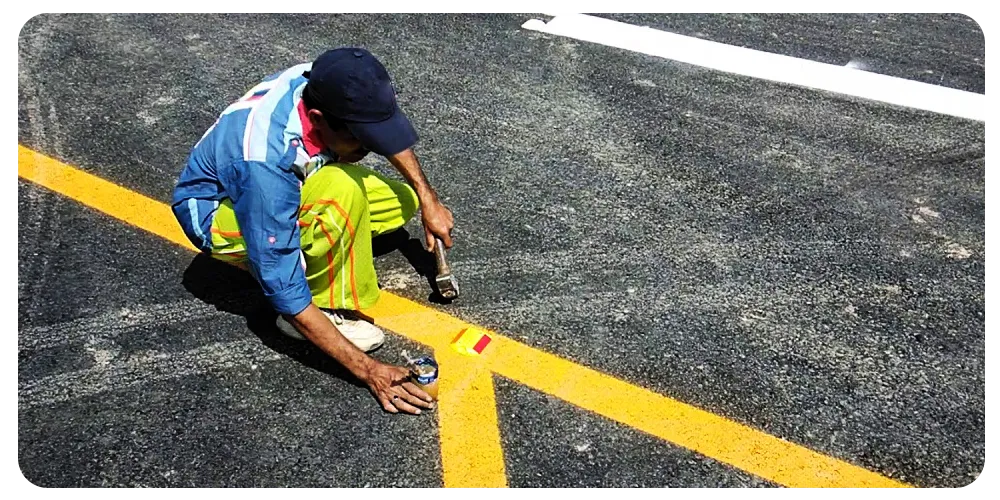
The installation of different types of cat eye reflectors on roads is not a complex thing, but there are many details that are needed to take under consideration. Follow these steps which lead important role in ensuring the quality and durability of road studs. Let’s understand the complete installation process:
Make the surface smooth: Ensure the area of installation should be levelled and assessed first, and plastic cones should be set up around the site ahead of time. If the surface of the road isn’t even, first you need to fix it and make it smooth.
Clean the area properly: The place where the glue will partake in should be dry and clean. Sand, water, oil, and sewage should not be on the site. It should be cleaned with a steel brush and dried with air from a compressor.
Mixed the glue perfectly that fits stud: The cat eyes road stud glue is composed by two components, A glue and B glue, and it will be good to be mixed with machine, which can be composed with electric hammer and stirring tooth.
Paste the cat eye studs with glue: After properly mixed the glue, paste in the ground surface of around 2mm thickness and make sure it should be evenly pasted in the place of road studs. Then, place the road studs and press tightly with fingers. To acquire the more strength, it would be good to run over the surroundings of the studs.
Finishing: The road studs should be kept standing for 6 hours, and they should be re-pasted if they are removed or crashed.
Applications of Raised Pavement Marker
Raised pavement markers, or cat eyes, have many uses on the road. They help drivers see lane edges, turns, and exits, especially in foggy or dark conditions.
In Karachi, cat eyes are also used to create temporary lane markings during construction work. They can guide vehicles safely around obstacles or hazards, helping to prevent accidents and improve overall road safety.
What are the Different Colors of Road Studs?

As you may be aware, cat eye road studs, commonly referred to as raised pavement markers, play a vital role in road safety by providing important visual guidance to drivers. These reflective markers are strategically placed in the middle of the road to indicate the center of each lane, enhancing visibility and helping drivers maintain proper lane discipline. Typically constructed from durable materials such as aluminum or plastic, these road studs are designed to be reflective, ensuring they can be easily seen during nighttime or in low-light conditions.
Cat’s eye road studs are designed in a variety of colors, each serving a specific purpose to enhance road safety. The classifications are as follows:
– Yellow-Red: These studs combine yellow and red to convey important traffic information.
– Double White: These studs indicate lane separators and can help improve visibility during nighttime driving.
– Double Red: The double red color signifies a critical warning, marking lines that should not be crossed and typically denotes the left edge of the carriageway.
– Blue: Blue road studs are specifically used to identify the locations of fire hydrants and other emergency services, making them crucial for quick access in emergencies.
– Single White: White studs are predominantly utilized to mark the center of a lane, enhancing lane discipline for drivers.
– Single Yellow: Yellow road studs indicate the center of a lane, particularly in highways or areas where no-passing zones are necessary, such as school zones or bustling pedestrian areas.
This system of color-coded road studs plays a vital role in highlighting specific areas and potential hazards, ultimately contributing to safer driving conditions.
What does Raised Pavement Marker Help with Uses of Road Studs
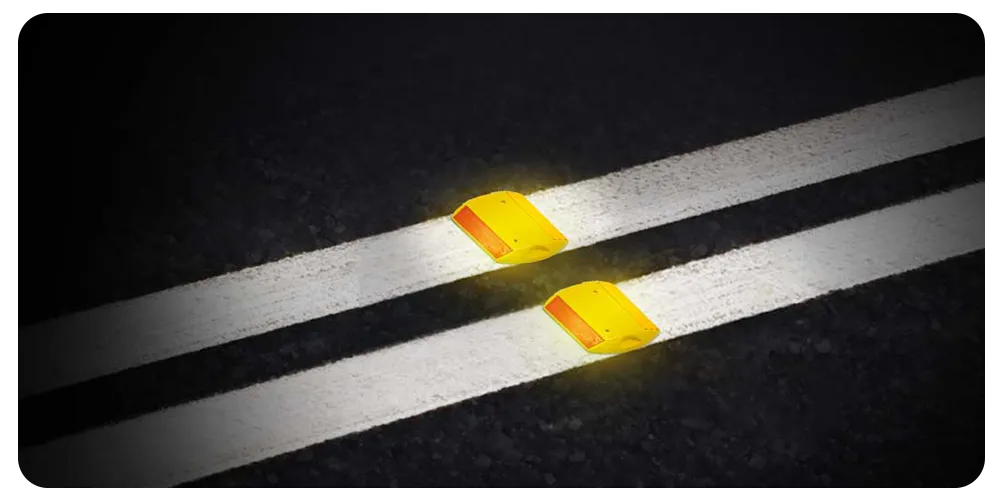
Cat eye road studs are effective tools for enhancing the safety of roads and highways. Here are several key applications of road studs that contribute to improved roadway safety:
- Lane Marking: Plastic road studs are utilized to delineate the lanes on busy highways and roads clearly. This visibility helps maintain smooth traffic flow and significantly reduces the likelihood of accidents.
- Notification of Turns and Road Changes: Raised pavement markers are strategically placed at critical points to alert drivers about upcoming turns or changes in the roadway. By providing these warnings, road studs help prevent accidents by preparing drivers for what lies ahead.
- Highlighting Road Hazards: Cat eye road studs serve to draw attention to potential road hazards, such as potholes or uneven surfaces. By making these obstacles more visible, drivers can take necessary precautions to avoid accidents and minimize vehicle damage.
- Reflective Road Markings: Many road studs are constructed from reflective materials, enhancing their visibility in low-light conditions. This characteristic ensures that road lines remain discernible during nighttime driving or inclement weather, thereby promoting safer navigation.
Incorporating cat eye road studs into roadway design can significantly contribute to overall traffic safety.
